Bed Bug Services Can Be Fun For Everyone
Table of ContentsRumored Buzz on Bed Bug Servicescopyrightine This Report on Bed Bug Services9 Simple Techniques For Bed Bug ServicesThe Main Principles Of Bed Bug Services
An expert-conducted bed bug inspection is much more than a simple walkthrough and relies on expertise. Bed bugs are difficult-to-detect, fast-moving pests that hide in narrow spaces, corners, and upholstery. Because of their secretive nature, a thorough inspection is essential to accurately locate and quantify infestations. Professional inspectors rely on specialized equipment, systematic procedures, and experience to detect bed bugs accurately, reducing the risk of escalation.The first step in the inspection process involves knowing the habits and life cycle of bed bugs. Bed bugs belong to the Hemiptera group and experience multiple nymph stages before reaching adulthood. Adults are oval, flat, reddish-brown insects that lack wings and have long legs and antennae. Their mouthparts are designed to pierce skin and extract blood, often causing red, itchy welts on hosts. Knowing these traits enables detection of likely areas for bed bug activity.
Early detection is vital for effective management. Professionals look for specific indicators such as dark spots of fecal matter, molted skins, and eggs (Bed Bug Services). A single female can lay hundreds of eggs, potentially causing full-blown infestations. Evidence of shed exoskeletons or leftover eggs signals ongoing activity and requires prompt inspection
Preparing for an inspection requires attention to detail. Inspectors often recommend clearing clutter from treatment areas, which makes it easier to inspect furniture and wall edges. Bedding and linens may be treated with heat before inspection, and then secured until the inspection is complete. Wall decor, mirrors, and pictures are sometimes moved to check hiding places. Vacuuming furniture and floors can remove loose pests, and vacuum bags should be discarded carefully to avoid spreading.
See This Report about Bed Bug Services
The inspection itself is methodical and detailed. Inspectors focus on sleeping areas like beds, headboards, and mattresses, checking seams, folds, linked here handles, and crevices. Upholstered furniture, including couches and chairs, is carefully copyrightined, with attention to seams and cushions. Baseboards, moldings, the edges of wall-to-wall carpeting, electrical outlets, closets, and storage areas are also included in the inspection, as these can be common harborage sites.
Specialized tools enhance detection accuracy. Flashlights, magnifying lenses, multi-tools, and mirrors provide visibility in crevices and corners. Monitoring devices like interceptor traps or sticky pads help track bed bug activity over time. Some companies use detection dogs, which accurately identify active infestations, distinguishing them from non-active traces.
:max_bytes(150000):strip_icc()/Bed-bug-control-tips-and-tricks-2656377-e580f433c55a4a98826e429753062084.jpg)

Meticulous documentation is a key component. Inspectors record the locations of evidence, severity of infestation, and treatment recommendations. This ensures accountability and facilitates discussion with residents. Residents are often instructed to preserve evidence for accuracy, as this prevents loss of critical information.
After inspection, a monitoring plan may be websites recommended to confirm the presence of bed bugs and track activity. Continuous monitoring identifies surviving insects after treatment, and interviews with household members provides additional insight. Cooperation from residents supports the inspection process.
Bed Bug Services Fundamentals Explained
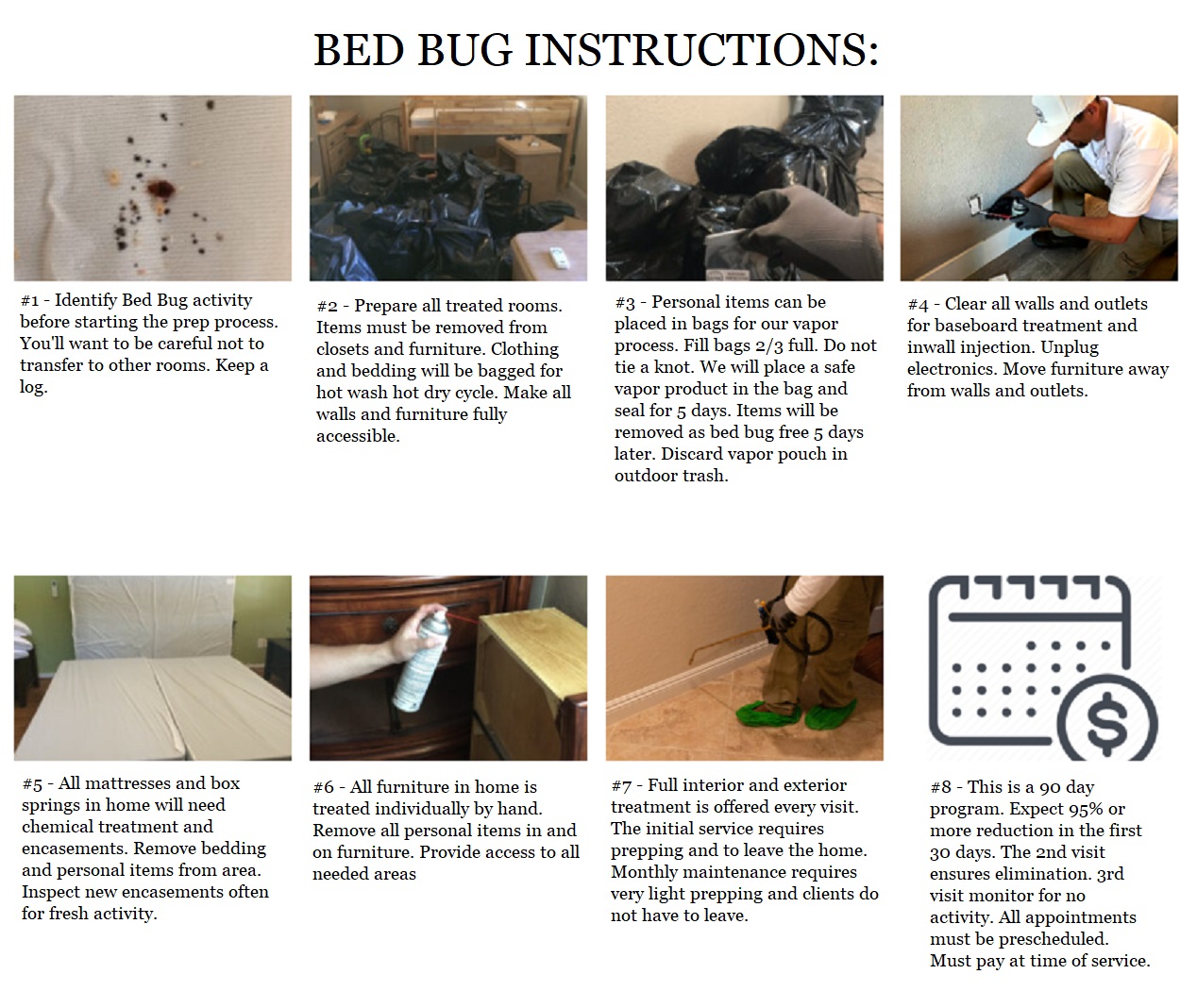
Professional inspections offer a higher level of accuracy than DIY attempts. Trained inspectors recognize early evidence of bed bugs, avoid unnecessary treatments, and give peace of mind.
Bed bug inspections are particularly important in high-risk environments. Inspectors copyrightine adjacent units, common areas, and shared furniture to confirm complete assessment (Bed Bug Services). This stops further spread
In summary, a professional bed bug inspection includes identifying the pest, readying the environment, inspecting meticulously, employing tools, maintaining records, and ongoing monitoring. Each step contributes to accurate detection, effective treatment planning, and long-term prevention.
The Only Guide to Bed Bug Services